Get involved
Become Part of Our Agricultural Community.
Membership in an agricultural association is a working relationship rather than a subscription: shared knowledge, shared responsibility and a shared interest in the land. This page explains what that means in practice, who may express interest, and how an inquiry is handled.
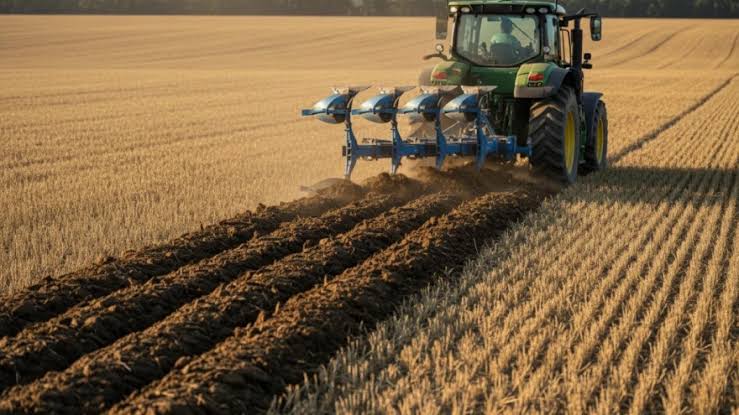
A practical arrangement between people who work the same land.
An association of agricultural producers exists because a single holding, however well run, cannot answer every question on its own. Membership is the formal expression of that practical idea: producers and rural community members choosing to pool experience, time and local knowledge instead of working in isolation. It is a modest arrangement, and it depends entirely on the willingness of people to take part in it.
In practice, membership in an agricultural association means four things. It means cooperation — working alongside others on tasks that are easier to do together, from organising a field day to comparing results across neighbouring holdings. It means knowledge sharing, including the uncomfortable part: describing what failed, what cost too much and what did not survive a wet season. It means environmental responsibility, because soil, water and landscape are the shared capital of every producer in a region. And it means community participation — showing up for local activities, contributing to decisions, and helping the association remain useful to the place it belongs to.
Membership is not a service subscription, a certificate or a marketing label. It does not buy influence over the association’s decisions, and it does not create a commercial relationship with the association or with other members. It is a commitment to take part, within the limits of what a person can realistically offer, and to accept the responsibilities that come with being part of a shared organisation.
Membership is not a service you purchase. It is work you agree to share.
Three broad groups, and an honest note about eligibility.
The list below describes who the association is glad to hear from. It is not a statement of legal eligibility: the governing rules set out the actual conditions of membership, and those rules — not this page — determine whether a particular inquiry can proceed.
Agricultural producers
Individual holdings, family farms and small producer groups working in crop production, horticulture, livestock or mixed farming, who want to compare practice with others and take part in shared learning.
Rural community members
People living in rural areas whose interest is the continuity of village life: local services, community initiatives, the transfer of knowledge between generations, and the conditions that allow small holdings to continue.
Supporters of sustainable farming
People whose daily work lies elsewhere but whose knowledge, professional skill or steady interest is relevant to agricultural education, environmental care or rural development.
If you are unsure whether you belong in one of these groups, write anyway and describe your situation. It is better to ask than to assume the answer.
Contributions that fit a real life, not an ideal one.
Members are invited — not required — to contribute in the ways that match their capacity. The association would rather have a small, reliable contribution than a large promise that cannot be kept.
Nothing on this list is a condition of expressing interest. It is a description of the kinds of contribution that make an association of producers function.
- Practical experience from their own holding, including what failed as well as what worked.
- Time at field days, demonstrations, community gatherings and educational sessions.
- Local knowledge about soils, water, weather patterns, varieties and the history of a place.
- A willingness to host a visit, show a trial plot or explain a method to other producers.
- Mentoring for young people and for women entering agricultural work in rural areas.
- Professional skills such as accounting, administration, teaching, communications or technical advice.
- Care for shared resources: equipment, seed, materials and the association’s good name.
Five standards, applied to the association as much as to its members.
Membership carries obligations as well as invitations. These are the standards the association applies to its own conduct and expects members to apply to theirs.
Concerns about conduct are handled through the association’s governance, not through public accusation.
Accurate information
Members are asked to describe their holdings, their experience and their intentions honestly. Exaggerated claims damage the credibility of every producer in the association, and they make shared learning impossible.
Respectful cooperation
Disagreement is expected and often useful. Contempt is not. Members are asked to argue about methods rather than about people, and to remember that a neighbour who farms differently is still a neighbour.
Responsible use of association resources
Equipment, materials, funds and staff time are held for stated purposes. Nothing is borrowed, redirected or used privately without the authorisation of the body responsible for it.
Respect for confidentiality
What is shared in a meeting about a family’s circumstances, a business difficulty or a personal matter stays in that meeting. Trust of this kind is difficult to rebuild once it is spent.
Compliance with governing rules
Members are expected to know and follow the association’s statute, its internal rules and the decisions taken through its proper bodies, including the limits those rules place on individual members.
This page describes the spirit of membership. It does not replace the rules.
An association is accountable to its own statute before it is accountable to a web page. The distinction matters, and it is stated here plainly so that no one mistakes an inquiry for an acceptance.
Identity and registrationMembership arrangements follow the association’s actual governing rules. This page describes the purpose and expectations of membership; it does not replace the statute, the internal rules or the decisions taken by the association’s proper bodies.
An inquiry submitted through the form below does not itself create membership, confer any right or obligation, or constitute an acceptance of membership. Membership begins only when the association has reviewed an inquiry and confirmed the applicable arrangements in writing, in accordance with its governing rules.
No membership fee, subscription or payment is requested or collected through this website. Where a financial arrangement exists under the association’s rules, it is explained directly and in writing before anything is agreed.
Express your interest in membership.
A short, honest description is more useful than a formal application. Tell the association who you are, what you do and why membership interests you. If you have a question you would like answered before deciding, ask it in the same message.
- Your holding, organization or connection to rural life.
- The areas of agricultural work that interest you most.
- What you would like to contribute, and what you would like to learn.
Prefer to write directly? Email is read by a person. The association is voluntary and may take time to reply; a slow reply is not a decision.
Three steps, in this order.
The process is deliberately simple. Its purpose is to make sure that no one believes they have joined an association before the association has actually confirmed it.
Your inquiry is recorded
The details you submit are entered in the association’s inquiry register. The form records an inquiry; it does not send an automatic email copy and it does not create membership.
It is reviewed by an authorised representative
A person responsible for membership matters reads the inquiry and, where something is unclear, may ask a short follow-up question before any decision is taken.
You receive a response
The association replies with the applicable membership arrangements, including any conditions set by its governing rules, or explains plainly if membership is not possible at that time.
Not ready to inquire? The about page and the programs page describe the association’s work in more detail, and the frequently asked questions answer common questions about taking part.
Continue
Membership is one way to take part. There are others.
Some people can offer time, some can offer knowledge, and some can offer both. The association is glad to hear from anyone who wants to contribute to agricultural and rural life in a serious way.